All posts by admin

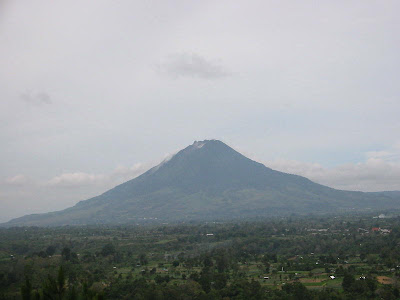
Ranu at Gunung Lamongan, East Java, Indonesia

To see nice scenery at Lumajang, we do not need to pass winding road. The beautiful scenery of lakes and Semeru and Lamongan can be seen easily. Different than Lake Tamblingan and Bedugul in Tabanan Bali that are located on slope. Ranu Klakah and Ranu Pakis are located only 1 km from Klakah-Lumajang main highway, notable on northern of Lumajang at Tegalrandu village. The location is not far from Klakah district and make these lake accessible by motorbike taxi and horse cart or car.

Ranu Klakah is located on 900 m asl, and covering 22 hectares and 28 meters depth with Mt lamongan as the background. The temperature is cold and fresh.The lake looks like having blue water. This lake is one of triangle lake, Ranu Klakah, Ranu Pakis and Ranu Bedali. Each of the lake is connected with road. And even in Ranu Pakis Mt Semeru is visible beautifully.

Ranu Pakis is only 10 minutes from Ranu Klakah , located 600 meters asl and covering 50 hectares and 26 meters depth. Other activities with family is available here, such as fishing, boating, and children game.

Gunung Lamongan, East Java, Indonesia

Mt lamongan is located between 2 complexes of volcano, Tengger complex on the west and Iyang complex on the east. Mt Lamongan (1668 meters) is categorized as one of 21 volcano in Indonesia in Class A, that at least erupts magmatic eruption one time since 1600. This volcano is recorded to explode in 1799. And even until 1889, this volcano held record as volcano that most frequently explode. Lamongan was higly active volcano, but the record was taken over by Mt Semeru. Last eruption was on 2012.

This mountain is unique, different than other mountain in Java. If you climb to the top, there is a very nice scenery. From distance Mt Semeru looks amazing and tectonic lake on foot of Mt. Lamongan is also visible.

In geology and volcanology, tectonic lake is known as maar. Maar was created for volcanic explosion with round shape and steep wall. Maar was formed by freatic and freato magmatic explosion. In 1907, until today there are 10 maar on earth. But in the prehistoric period, there were many maar created. The biggest and most amazing maar was created at Pematang Bata, in 1933. 2 maar with 1 km and 2 km diameter. Maar is a very rare phenomenon. Until today, Volcanology directorate has not detected maar activity of Mt Lamongan.

Climbing Mt Lamongan started from Klakah, and before starting the trip, usually climbers rest at papringan villagge where there is  spring for water supply. From Klakah to Papringan only take one hour walk. From Papringan, climbers can meet Mbah Citro, and it takes one hour to get to his place. And climbing can be started at night. Climbing can be started at 22.00, around 23.00 you will arrive at Watu Gede with flat track. At Watugede, climbers can rest here for 1 or 2 hours. At 01.00, the climbing can be proceeded. After passing steep rocky track, then fern forest is the next route. Usually climbers will arive at 09.00 at the top and see the sunrise and beauty of Mt Raung, Argopuro, Semeru and Tengger complex.

Volcano Explosion Level

LEVEL 0 (Hawaiian Level)
Hawaiian explosion is type of volcano explosion which lava from source is relatively in shallow explosion, low level and called so as the characteristic resembles Hawaiian volcano.Usually it is an effusive explosion, magma basaltic with low viscosity, in low gas contents and high temperature on hole. With eject-volume less than 10.000 m3 and plume less than 100 meters. Volcano in this category: Mt Kilauea Explosion in Pacific and Mt Piton de la Fournaise.

LEVEL 1 (Strombolian Level)
This type of explosion is relatively low level explosion, and named after volcano in Italy and the explosion constitutes of ejecting lava, lapili and lava bomb to hundred meters high. They have medium and small volume and sporadic sound. Volume of ejects more than 10.000 m3 and plume 100 – 1000 m. Explosion in this category: Stromboli Volcano in Italya explosion in April 2009 and Mount Nyiragongo explosion in Congo in 1977 dan 2002.

LEVEL 2 (Volcanian Level)
This term was used initially by Giuseppe Mercalli, when he overlooked explosion at Volcano Island in 1880-1890. The description about the explosion type is used around the world, marked by thick ash cloud with gas the explodes from crater and rises to the sky above its summit. Eject volume more than 1.000.000 m3 and plume 1-5 km. Explosions in this category: Mt Galeran (Columbia) explosion on August 25th 2010 and the worst in 1993. Mt Sinabung in Indonesia last eruption in September 2010.

LEVEL 3.(Pelean Level)
Pelean explosion has condensed magma, rhyolitic or andesit, they are involved and similar to volcanian. Most important in a Pelean explosion is erosion of hot volcanic ash, pyroclastic stream and forming a lava dome. Short-circuit of ash or forming of pumice cone can also be seen. Volume eject more than 10.000.000 m3 and plume 3-15 km. Explosion in this category: Mount Nevado del Ruiz explosion in Kolombia. And Mount Soufrière Hills at Monsteratt ,Karibia.

LEVEL 4
This level is similar to Level 3 and Level 5 and ejects volume more than 0.1 km3 and plume 10-25 km. Explosion in this category: Mt Pelée in Martinique and huge eruption was in 1902. Mt Eyjafjallajökull in Iceland, last eruption was in May 2010.

LEVEL 5 (PLINIAN EXPLOSION)
Plinian explosion is also known as Vesuvian exxplosion, and volcano explosion is marked with similarity to Mt Vesuvius date back 79 (as written by young Plinius that killed his uncle Pliny the Elder). Palinian explosion characteristic is gas column and volcanic ash soars high to stratosphere, the highest atmosphere layer. The main characteristic is expelling pumice and very strong continues gas explosion. Volume ejecta more than 1 km3 and plume 20-35 km. Explosion in this category is Mt Vesuvius explosion in Italy in 1944 and huge eruption in 79 BC. Mt St Helens eruption in USA in 1980 that killed 81 people.

LEVEL 6
This level is similar to Level 5 and Level 7. Volume eject more than 10 km3 and plume more than 30 km. Volcano in this category is in 1883 that yielded tsunami. Mt Pinatubo in the Phillipines that killed 847 in 1991.

LEVEL 7 (Ultra Plinian Level)
According to Volcanic Explosivity Index Smithsonian Institution, VEI 6 to 7 are classified as Ultra Plinian. They are defined by ash of more than 25 or 16 miles high and volume of explosion 10 km3 from 1000 km3. Example in this category are Mt Tambora (Indonesia) explosion in 1815. The mountain was gone after the explosion.

LEVEL 8 ( Super Volcanic Level)
From its name one can imagine how huge this explosion. Explosions in this category are: supervolcano Yellowstone, Creek lava that exploded 640.000 years ago, and expelled 240 km cubic (1.000 km3) of stone and ash to the sky and this volcano is still active. Toba explosion around 67.500 to 75.500 years ago. Toba explosion was the last of seris of 3 explosions that created caldera from volcano, the previous caldera was created 7000.000 and 840.000 years ago. The last explosion had explosivity index of volcanic 8 or called as mega-colosal and could be the biggest volcano explosion in the last 25 million years. And quake in 2004 that struck Sumatera and changed earth shape as detected by GRACE satellite. The quake activity can initiate magmatic activity of Toba.

Dieng Double Sunrise Phenomenon

Dieng Plateau, a plateau located in Wonosobo, Central Java, Indonesia. In this plateau visitors can enjoy two times sunrise in the same morning, silver and golden sunrise. For this double sunrise tour, you should depart early morning. You can stay overnight at Wonosobo or Dieng Plateau for this.

If you stay overnight in Wonosobo, whether in the city area or outside the city,  it is possible to depart at 04.45 from hotel head to Setieng view point which is located 1700 m asl. From here you can enjoy a very nice and tranquil scenery early in the morning of village, hills, river and agriculture land. Around 6 o’clock the golden sunrise will rise after beautiful color of horizon. Mt Merapi is visible from here. The best time to see sunrise in Dieng Plateau is around May to August, when dry season rules.

After the golden sunrise, then proceed to Dieng Plateau, where oldest Hindu temples in Java located. This plateau is 2100 m asl with cold temperature. The silver sunrise appears from behind a hill. The silver light showers the plateau that sometimes misty and yield a mysterious nuance.

If you stay overnight at Dieng Plateau you can trek to Gunung  Sikunir (2350) to see the the golden sunrise.

Dieng Double Sunrise Tour 3 Days/2Nights
Overland Tour with Dieng Double Sunrise

Gunung Panderman, Batu, East Java, Indonesia

Mount Panderman is one of Batu City icons. This mountain is visible from every corner of Batu City and becomes a beautiful background. The summit can be seen clearly from beneath and it takes good stamina as the road to the summit is tiring. If coincidentally  you are at Batu city square, this 2045 meters asl will be like a backdrop.

To climb Mt Panderman, there are two routes. The first route is the most common route via Toyomerto village, Pesanggrahan. From Pesanggrahan you will pass Latar Ombo, where usually climbers can supply water, or camp, and the to Watu Gede where there are numerous huge rocks (watu dege in Javanese). The second route is very rare known and this is not a common route and there are no facilities such as parking area and water supply as not designed for climbing base.  The second route is a shortcut to the summit and for Batu climbers, this is their fave route to Mt Panderman. This rote is called as Curah Banteng route, a challenging route that few track is 90 deg awry and can only be reached by climbing method.

The scenery along the second route is beautiful only it is more dangerous than the second route. Climbers will pass the edge of Curah Banteng and if lucky climbers can see edelweiss along the route. This route starts from Kusuma Agro Wisata Hotel and then to the base of climbers. It takes round 2 hours to get to the summit.

Mount Panderman name derives from a Dutch man Van der Man, who admired this mountain.

History of Javanese Gamelan

For Javanese, gamelan has been part of their life. Javanese or Sundanese recognize that gamelan is set of instrumental with typical sound. A Dutch man Dr JL A Brandes said that far before India influence arrived, Javanese already had culture and knowledge of wayang, gamelan,  poet rhyme, batik, metal processing, currency system, sailing technology, astronomic, sawah agriculture and bureaucratic.  So Gamelan has been in Indonesia since prehistoric, though there is no written record to trace gamelan in prehistoric era. Gamelan is product of culture to fulfill human need of arts and art is one of elements of culture that is universal in nature. Gamelan changes since its first existence, especially in its ensemble.
Karawitan term refers to gamelan orchestra performance, and used by Javanese. This term evolved in its use and meaning. Karawitan derives from rawit means small, refined or complicated. It said that in Keraton Surakarta, karawitan term has been used as umbrella for few arts, such as tatah sungging, carving, dancing and puppetry. Karawitan also refers to art of singing and music that consists of aspects: utilizing gamelan-partly or entire set slendro or pelog, partly or entirely using slendro and or pelog, gamelan instruments or non-gamelan or vocal or mix of both. The current Javanese Gamelan is not only known in Indonesia but also in USA, England, Japan and Canada.
Javanese culture or Indonesian culture in general, started since historic period, signed by writing system. From 8th  to 15 century, Javanese culture was enriched by elements of Indian cultures. One of the  India cultures elements in gamelan dan dance is through transformation of Hindu-Buddha culture.
Literature about gamelan found in verbal sources, as written in inscriptions or literatures in Hindu-Buddha period. The sources are pictorial source such as reliefs engraved on temples, in Central Java (7 to 10 century) or East Java (11 to 15 century) . In East Java written source, ensemble of gamelan  was called as tabeh-tabehan or in new Javanese is tabuh-tabuhan or tetabuhan means every instrument that produces sound by beating it using mallets or stick with various shapes.
Zoemulder explained that the word gamel using  percussive instrument. In Javanese, there is word of gambel means mallet. In Balinese gambelan and perhaps later became gamelan. In 13 century, a musician Judith Baker said that gamelan derives from a name of Burma priest, also an iron expert name Gumlao. But there is no such instrument in South East Asia.
In few fragments of Borobudur temple, there are various kinds of gamelan instruments: drum with rope and worn around neck, pot shaped drum, zither, lute, cymbals, flute, saron and gambang. In Roro Jonggrang temple, depicted cylindrical drum, convex drum, pot shaped drum, cymbals and flute.
Reliefs of gamelan instruments in East Java temple reliefs can be found at Candi Jago (13th century) stringed instruments and celempung. While in Candi Ngrimbi (13th Century) there is relief of 2 bonang pencon. Big gong relief is found at Kedaton temple from 14 century and cylindrical drum at Tegawangi Temple (14 Century). In Penataran main temple (14 Century) depicted gong, bendhe, kemanak, and drum, gambang, reyong and cymbals. IN Candi Sukuh depicted relief of trumpet and bendhe.
According to reliefs records and literature, India influenced Javanese gamelan. Indian music is closely related to religious activity.
1. Membranophon.
In Javanese gamelan, kendang is included in this class. in few inscriptions, membranophon has been popular since mid of 9th century, named as pataha, padahi, padaha, murawa or muraba, mrdangga, mrdala, muraja, panawa, kahala, damaru, kendang. Padahi term is the oldest term in Kuburan Candi inscription date back 821. The term was used until Majapahit period as written in Negarakertagama wrote by Mpu Prapanca in 1365. It is not impossible that membranophon is instrument from Indonesia without India influence used in rituals. Membranophone is the main instrument in primitive culture in general.
In metal era of prehistoric period in Indonesia, mako and nekara were already recognized. Nekara was used as drum. Other opinion said that nekara later developed into gong. In India drum like instrumet are called in various names such as dundubhi, pataha, mridangga, panava, murawa, mrdala; and known since veda period.
 In myth mrdangga was created by Brahma to accompanied Siva dance defeating Trusurapura. In Natya Sastra, bheri, bhambha, dindimas terms were possible terms for kendang instrument. Bheri in Javanese is ideophon similar like bendhe.
Gangsa term means gamelan had been used since 12 century as found in Smaradhana that says that gending of King Rajasa was played, kendang, gong, gangsa and gubar meandering. In current gamelan, gambang gangsa is gambang that is made of metal (bronze or brass). Other membranophone instruments are bedug and terbang.
Bedug term was found in Kidung Malat. In Kakawin Hariwangsa, Ghatitkacasraya, and Kidung Harsawijaya, the instrument is called as tipakan. And tabang-tabang term written in Ghatotkacasraya and Sumanasantaka, that probably changed to terbang. If this is right, then terbang or bedhug are not from Islam culture but it exists snce 12 century.
2. Ideophone
Instrument in this category that were found in inscription or literature are tuwung, tuwung, kangsi, rigang, curing, rojeh, brikuk, bungkuk, kamanak, gambang, calung, salunding, barung, ganding, dan gong. Inscriptions in Central Java mentioned curing, regang, tuwung  and brikuk. Curing and tuwung are similar to cymbals. Curing is made of metal. In Kuti inscription dated back 840 mentioned that” Mangkana yan pamuja mangungkunga curing…” (If there is a worship activity, curing is played). Magungkunga in recent javanese can still be found ngungkung. Curing was very popular in old Javanese as mentioned in Penetapan Sima (9-12 Century). 
According Jaap Kunst, curing or kuwung are similar to kicer. Celuring instrument is part of keraton Yogyakarta and Pura pakualaman gamelan. Possibly that celuring derives from curing. So curing was like celuring in recent time. IN other literature rojeh is mentioned in Hariwangsa, Kresnayana, Sumanasantaka, Siwaratrikalpa and Kidung Harsawijaya. This instrument is estimated similar to cymbal. Baribit was also instrument mentioned in Ramayana.Brikuk is name of instrument found in panggumulan Inscription in 902 and Lintakan Inscription dated back 919. In paradah inscription date back 943 found bungkuk. In current gamelan is called as kethuk. Kethuk term existed since Kadiri pariod as written in Kariwangsa of Mpu panuluh. In that literature was delineated the nature beauty when Rukmini and Kresna were on a journey and in shadow puppet show (Wayang) is accompanied by salunding, kituk and talutak.
The description above shows that wayang performance in 12 century was accompanied by humble gamelan ensamble. Are brikuk and bungkuk instrument like ketuk and kenong?
According to J Kunst brikuk or bungkuk are term for same instrument, and possibly that brikuk, bungkuk, kituk are one type of instruments.

3. Aerofon (Sushira Vadya)

This instrument can produces sound blowing air. In recent Javanese ansamble, flute is  one of instrument in klenengan or uyon uyon. In Natya Sastra, flute was called as vamsa means bamboo. Pictorial proof of flute in old Java period can be seen at Candi Borobudur in Karmawibhangga, Jataka relief, lalitawistara and at candi Jago and Candi Penataran. According to the reliefs there are vertical and horizontal flute. In old Java Ramayana, bangsi was played with rawandsta instrument. Bangsi or wangsi can derive from Sanskrit vamsa. In Writtasancaya by Mpu Tanakung, flute was called as suling. Ramayana also mentioned suling. In Batur Pura Abang inscription of Bali in 1011,suling was also mentioned. So inconclusion Suling or flute has been in Java since 11 century. Other unstrument in this category is sangkha or trumpet. Sangkha is made of shell and used in India. In Hindu iconography, sangkha is attribute of Wisnu, Kresna. In Ramayana relief at Candi Brahma Prambanan, sangkha was played to wake up Kumbakarna. In Nagarakertagama was written that “gumang kahala sangka lan padaha ganjuran….”. In Ramayana sangkha is called as kalasangkha and in Wirataparwa as sangkhakahala. Kahala sangka and sangkha kahala later became sangkakala, and ganjuran is an instrument similar to kettledrum. Other troppet instrument is pereret as in Kidung Rangga lawe.

4. Cordophone

Gamelan Java instruments in this classification are siter, celempung, and rebab, Celempung was first mentioned in Cekelwanengpati. IN Candi Jago relief depicted a figure playing celempung. In Wangbang Wideya ballad, samepa instrument is setimated to refer to rebab. And kachapi was mentioned in old Javanese inscription mentioned that terms of ‘wina’, ‘rawanahasta’ and ‘panday rawanahasta’. Rawanahasta means rawana hand and panday rawanahasta means rawanahasta maker. Rawana hasta was analyzed as gamelan instrument resembles lute and the shape is like hand. In old javanese Ramayana mentions  makinara and malawuwin. Lawuwina means wina in pumpkin shape. Harp seems to be used since past as in Borobudur relief and in Jalatunda bathing place (East Java). There are few metal statuary found in Nganjuk and Suracala (Yogyakarta) depict goddess playing stringed instrument.

Rewritten from various source.

HIstory of Indonesian Batik

Indonesian batik history is closely related to the flourishing of Majapahit Kingdom  and Islam propaganda in Java island.  In few historic records, batik was flourishing during Mataram Kingdom, and later in period of Surakarta and Yogyakarta Kingdom.

So batik in Indonesia has been recognized in Majapahit period and later evolving  from generation to generation. The flourishing of batik has become part of Javanese culture and Indonesian in general after the end of 18th century and 19th century. Batik produced was batik tulis (painted batik) until early of 20th century. And batik cap (stamped batik) was known after the World War I or around 1920. And in relation with Islam spread, numerous batik center were moslem community and batik became means of economic struggle of Moslem traders to fight against Dutch.

Batik arts is art of painting on fabric for cloth, one of culture elements of past Indonesian kings family. In the outset, batik was made inside keraton/palace and the output was for kings, family and people living in palace. As there were numerous king men live outside palace, this culture was broght by them from kraton in their own place. Batik was then spread to their close people, family, relatives and then became women work on their spare time. Batik that was only worn by kraton members, turn to people cloth for women and men. Even the white fabric was weaved by themselves in that period. The colors were made of Indonesia indigenous plants such as mengkudu, tinggi, soga, nila and soda material made of soda ash and salt was made of mud.

In Majapahit period, batik had become a culture and this can be traced in Mojokerto and Tulungagung. As Mojokerto is closely related to Majapahit, batik history can be traced from the remains of Majapahit there. And in Tulungagung that has swamp area,in history it was known as Bonorowo, and when Majapahit evolved, that area was reigned by Adipati Kalang and he did not want to be part of Majapahit. Adipati Kalang was died in a battle with Majapahit in an area that is now called as Kalangbret. Soldier of Majapahit and their family later settled in Benorowo, now Tulungaggung and they brought batik art.

Batik in Mojokerto can be found in Kwali, Mojosari, Betero and Sidomulyo. Outside Mojokerto regency is Jombang where batik also evolved in that period. IN the end of 19th century, several batik products are known in Mojokerto. They use material of localy weaved white fabric, batik colors from soda jambal, mengkudu, nila, tinggi and etc.

Chemicals from abroad were recognized after World War I, sold by Chinese traders in Mojokerto. Stamped batik was also recognized after advent of Chinese traders. Stamps were made in Bangil and batik businessmen could buy it at Porong Market Sidoarjo, where batik products from Kedungcangkring and Jetis Sidoarjo sold before world crisis. In that crisis, batik Mojokerto was declining badly. After crisis batik activity was started again until Japanese came and it declined again. After revolution Batik activity was back.

Batik Kalangbret characteristics are similar to thaose of Yogyakarta, with white basic color and the motives are light brown and dark blue. The centers are in Majan and Simo and these villages were related to Diponegoro war in 1825.

Although batik was known since Majapahit, batik spread wide since period of Kasultanan Surakarta and Yogyakarta. The later growth of batik in Mojokerto was influenced by Solo and Yogyakarta batik.

In physical struggle of Diponegoro and Dutch, few of Kyai Mojo troops held back and settled in Majan. Since Dutch colonialism until Independence, Majan was a free area with kyai as the village leaders from generation to generation. Majan batik was a heritage from Diponegoro war.

THe color of batik Mojo and Simo are unique as the basic color is red from mengkudu and other color from tom. As batik center for many years, Sembung village has been known for its businessmen that came from Solo and settled in Tulungagung in 19th century. Other batik can be found in Trenggalek, Kediri as home industries.

Batik in Islam Period

Ponorogo is other batik center in East Java and it is related to Islam spread in this area. It said that in Batoro Katong region there was a descendant of Majapahit, Raden Katong, brother of Raden Patah. Batoro Katong brought Islam to Ponorogo and one of the historical site is a mosque in Patihan Wetan. Later in Ponorogo, there was a moslem boarding school led by Kyai Hasan Basri or known as Kyai Agung Tegalsari. This school beside taught Islam also taught constitution, war science and literature. A very popular student in this school is Raden Ronggowarsito. Kyai Hasan Basri became son in law of Keraton Surakarta. And the wife of Kyai Hasan Basri was the one who brought batik to Tegalsari, beside there were many Keraton Solo members studied in this school. Batik centers that can still be seen today are Ronowijoyo, Mangunsuman, Kertosari, Setono, Cokromenggalan, Kadipaten, Nologaten, Bangunsari, Cekok, Banyudono and Ngunut village. In that period, they used chemicals from woods, such as tom tree, mengkudu, and tinggi. They made the white fabric and import fabric was known in Indonesia in the end of 19th century.

Stamped batik was known in Ponorogo since after the World War I and brought by Chinese trader, Kwee Seng from  Banyumas. Ponorogo Batik was popular with its good quality violet color  in the early 2oth century. That was why batik businessman from Pekalongan and Solo gave job to Ponorogo batik businessmen. As the impact of stamped batik, Ponorogo production after WW I was known as blue stamped batik and sold to Ponorogo and Indonesia.

Solo and Yogyakarta Batik

From kingdoms in Solo and Yogyakarta, in 17, 18, and 19 century, batik was known widely and flourished to entire of Java. IN the beginning batik was just a hobby of royal family but later it became trading commodity.
Solo Batik is famous for its motines and traditional patterns in its stamped or painted batik.  The material used were from soga Jawa that was known for years. The popular  patterns are Sidomukti and Sidoluruh.

In Yogyakarta, batik process was known since Mataram I led by Panembahan Senopati. The center of batik was at Plered. And batik was done only by maids of queens. Later batik was known by other family of keraton, wifes, and maids and soldiers. And in that phase posssible visit from house to house make batik spread over so quickly outside keraton wall.

As the impact of the war there were royal family fleed and settled in other parts in Java such as Banyumas, Pekalongan, Ponorogo, Tulungagung and other places since 18th century. These family then practiced batik in those new places.

War of Diponegore against Dutch forced pangeran Diponegoro and his family and fellows to leave palace. They spread eastward and westward.  In those new places, families practicing batik. Eastward, batik Solo and Yogyakarta perfected the batik motives in Mojokerto and Tulungagung. And it spread to GResik, Surabaya and Madura. And westward, batik flourished to Banyumas, Pekalongan, Tegal and Cirebon.

Batik in other cities.

The flourishing batik in Banyumas was was centered in Sokaraja, brought by Pangeran Diponegoro and his fellows after the end of Diponegoro war in 1830, most of them settled in Banyuman. The famous fellows was Najendra, that developed plunging batik in Sokaraja. They used locally weaved white fabric and used chemical from tom tree, mengkudu and pace that yielded yellowy red color.
Later batik spread to Sokaraja and in the end of 19th century, they have direct relation to batik cratfers from Solo and Ponorogo. Banyumas batik was known with special motives and colors, now called as Banyumas batik. After WW I Chinese also made batik beside they did trading.

Similar to batik in Pekalongan. Fellows of pangeran DIponegoro settled there and established batik business, and it fouurished in other coastal areas such as Buwaran, Pekajangan and Wonopringgo. Batik was expanding after the end of Diponegoro war and there were many palace families moved to outside Yogyakarta and Solo as they did not want to co-op with Dutch.

Motives of batik  in those new places were adapted to the environment. Pekalongan batik was influenced by Demak batik in its process and design. Until early of 20th century batik process known only painted batik with local material and partly imported. After the W W I, stamped batik was recognized and chemical from abroad that were used came from Germany and England.

In the early 2oth century, in Pekajangan was recognized simple traditional weaving of setagen (long narrow fabric). Few years later batik was practice by people working at the  weaving sector. The growth and development of this sector was very significant and labors in Wonopringgo and Tirto sugar factory went to batik industries for better wages.

In Tegal, batik was known since the end of 19th century using plants and self made white fabric. The color of Tegal batik used sogan and grey color after known factory violet color, and later became red and blue color. Batik Tegal was marketed to West Java on foot. These people were estimated spread batik to Tasik and Ciamis beside other comers from Central Java.

IN the early 20th century, white fabric was imported and imported chemicals were known after World War I. Batik businessmen in Tegal were weak in capital and material was purchaned from Pekalongan and they bought with credit methode and sold batik to Chinese who gave the credit.  In economy crisis, batik makers in Tegal was depressed and later active again in 1934 until beginning of WW II. In Japan occupation, it was depressed again.

In Purworejo, Batik arrived at the same time as in Kebumen, from Yogyakarta around 11th century. Batik in Purworejo grew slower than in Kebumen. Its prodection similar to that of Yogyakarta and other parts of Banyumas.

Bayat region is located 21 km east of Klaten, this area is dry and has shortage of resources. This was part of Surakarta residency and Kabupaten Klaten and batik here must have close relation to history of Kasunanan Surakarta . IN Bayat village located Sunan Bayat grave that becomes a pilgrimage site. Bayat batik businessmen were once worked in batik industries in Solo.

Batik in Kebumen was known since 19th century brought by comers froom Yogyakarta in propagating Islam. One of figure known was Penghulu Nusjaf. He  developed batik in Kebumenand settled at the east of Kali Sukolilo and there was mosque built by him. The first Kebumen batik was teng-abang or blambangan and later the final process was finished in Banyumas/Solo. Around 20th century the patters were made by using turmeric and wooden stamp. Kebumen typical motives are trees, birds. And they used colors made of tom tree, pace and kemudu.

Imported chemicals were known since 1920 and introduced by Bank Rakyat Indonesia staff. Handmade colors materials were left, to save time. Stamped from copper was recognized since 1930 by Purnomo from Yogyakarta. And Kebumen batik centers are at Watugarut, Tanurekso and few other villages.

From stories handed down from generation to generation, Batik in Tasikmalaya is estimated to arrive in the period of Tarimanegara and there were many tarum trees used as batik material. In Tasikmalaya, the batik center is at Wurug, Sukapura, Mangunraja, Maronjaya and city of Tasikmalaya.

Sukapura was the capital  located on the suburban of current city of Tasikmalaya. In the end of 17th century and early 18th century, there were numerous families moved westward from Central Java ( Tegal, Pekalongan, Banyuman and Kudus) as the impact of wars in Central Java.

Most of batik businessmen moved westward and traded batik. The new comers introduced local people to batik from Central Java. Tasikmalaya batik is a mix of batik from Pekalongan, Tegal, banyumas, and Kudus that are colorful and rich of patterns.

Batik in Ciamis was recognized since 19th century when Diponegoro war was over and pangeran Diponegoro felloww and troops left Yogyakarta southward.  And partly settled in Bayuman or moved further southward and settled in Ciamis and Tasikmalaya. They migrated with their families and continued their way of living. Few of them expert in Batik and few started batik industries. This works evolved to local people, they used colors from mengkudu, tom tree and etc.

Ciamis batik motive is mix of Central Java batik and influenced with Garutan motive. Until early of 20th century Batik in Ciamis flourished from self consumption to selling it to market.  While in Cirebon, batik was closely related to palaces in this region, Kanoman, Kasepuhan and Keprabonan palace. In Cirebon, the case of batik evolved from palace area just like batik in Yogyakarta and Surakarta. KIngs in the past loved paintings and before cotton yarn recognized, the paintings were made on lontar leafs. This period was around 8th century. This has relation to batik motives on weaved materials. Batik Cirebon characteristic is motive of forest and wildlife symbols pictures. While sea motive was influenced by Chinese when Cirebon Palace ever married to Chinese princes. Batik Cirebon with garuda motive was influenced by Yogya and Solo motives.

Batik in Jakarta was recognized in the end of 19th century as other regions. Batik was carried by Central Javanese that settled there. Batik centers in Jakarta were close to Tanah Abang: Karet, Bendungan Ilir and Udik, Kebayoran Lama, Mampang Prapatan and Tebet. Jakarta had became trade center among areas in Indonesia with its Pasar Ikan harbor. After WW I, batik cap/stammped batik was recognized and batik production increased and batik traders looked for new market target. Popular market for textile and batik in Jakarta were Tanah Abang, Jatinegara, and Jakarta Kota, and the biggest was Pasar Tanah Abang since back then. Solo, Yogya, Bayumas, Ponorogo, Tulungagung, Pekalongan, Tasikmalaya, Ciamis and Cirebon batik could be found in Tanah Abang market and later delivered to outside Java. Batik traders mostly were Arabian, Chinese and only few Indonesian.

As the center of batik trade was in Tanah Abang, and raw material can be found in Jakarta, batik traders opened batik company in Jakarta, nearby Tanah Abang. Batik businessmen were mostly Chinese and the labours were from Pekalongan, Yogya, Solo and other parts including local people. Later local people started same businesses. MOtive and batik proses of Jakarta were just like Pekalongan, Yogya, Solo and Banyumas batik, as the origin of the labors.

Batik raw materials used were locally weaved fabric and the chamicals were self made from mengkudu, pace, turmeric and etc. Before war, Jakarta batik was rough and same color as batik of Banyumas.

Batik Beyond Java.

From Jakarta, batik traders sold the products to outside Java Island and later evolved in every corner of Indonesia such as Sumatera Barat especially Padang and other areas. Sumatera Barat was included as batik consumers prior to WW I especially Pekalongan batik and Solo and Yogya batik. Before the advent of Batik, tenun Silungkang and tenin plekat had been flourished in Sumatera Barat. Batik evolved in Padang after Japanese occupation when since the transportation route Java-Sumatera was ceased, and batik stock was finished while they needed batik for their daily clothing. After Indonesia Independence, both Island transportation were more difficult for Dutch blockades, therefore, batik traders in Sumatera barat started to produced batik themselves.  They imitate Javanese batik with same patterns and used wooden stamp.Batik chemicals used were homemade from Mengkudu, turmeric, gambir, damar and etc. The white fabric was hand mad. The first batik manufacture was in Sampan, Padang pariaman regency in 1946 such as Bagindo Idris, Sidi Ali, Sidi Zakaria, Sutan Salim, Sutan Sjamsudin and in Payakumbuh in 1948 was built batik industry by Waslim (from Pekalongan) and Sutan Razab. After Padang became occupation area in 1949, there were numerous batik traders opened batik industries with raw materials from Singapore via padang and Pakanbaru. But batik business declined after Java-Sumatera route opened. padang batik colors are mostly dark, yellow and reddy purple with patterns of Banyumas, Indramayu, Solo and Yogya. Now Padang batik products were more advanced but not as good as Javanese Batik. The stamp tools are now made of copper and most of the output is sarong.

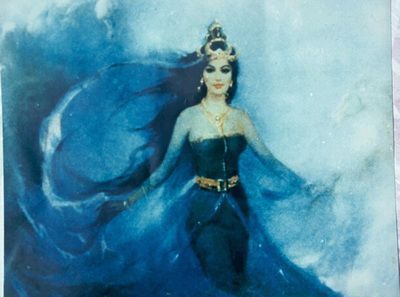
Nyai Roro Kidul, Queen of The Southern Sea Legend

The existence of Nyi Roro Kidul is very famous, not only for Yogyakarta and Surakarta, but the entire Java, either Central, West or East Java. In Yogyakarta, Nyi Roro Kidul tale is always related to Kings of Mataram. And in East Java especially in southern of Malang, especially in Ngliyep beach, Nyi Roro Kidul is called as Kanjeng Ratu Kidul. And there are few versions about legend of this southern sea queen.
Folk Tale from Yogyakarta
Once upon a time, lived a beautiful girl, her name was Kadita or Dewi Srengenge, daughter of King Munding Wangi. Though he had a beautiful daughter, he was sad because he wanted a son. Later the king married again with Dewi Mutiara, and he got a son from that marriage. The King was so happy.
Dewi Mutiara wanted his son to be a king in the fi=uture, and she tried to make her wish came true. Dewi Mutiara saw the king and asked his daughter to leave the palace. The king refused and said that that was ridicules and he would not let anyone did bad things to his daughter. Dewi Mutiara smiled and said nice words that the king was not angry anymore. BUt in her heart, she had a plan for the beautiful princess.
One morning, before the sun rose, Dewi Mutiara sent her servant to call a witch. And she asked the witch to make the beautiful princes to have skin disease. MIdnight, Kadita had skin desease and it yield a very bad smell. The princess cried the whole night.
When the king heard about his daughter, he was sad and he called doctors to heal her. He realized that his daughter was sick of non logical cause, that someone has send this black magic to his daughter. It was became more complicated when Dewi Mutiara asked king to get the princess out of the palace. She said that the princess is a disgrace to the country. The king did not want his daughter became gossip to the kingdom, so he was finally sent his daughter out of the kingdom.
The princess was alone and did not know where to go. She had a good heart that she was not angry to her step mother. She prayed that God will help her in her bad time like those days.
Almost seven days and seven nights she walked and finally she arrived at southern sea with its blue clean water. She jumped and swam. Surprisingly, when the ocean water touched her skin, the disease was gone and it was not itchy as before, and she became more beautiful instead. And she became elf living in southern sea of Java as Nyi Roro Kidul forever.

Babad Tanah Jawi
In Babad Tanah Jawi (19th Century), a prince from Pajajaran, Joko Suruh, met an ascetic and ordered him to find Majapahit Kingdom in East Java. And as the ascetic was a beautiful woman, Joko Suruh fell in love with her. The ascetic was the aunt of him, Ratna Suwinda, and she for sure rejected him. When she was young, Ratna Suwinda was exiled herself on a hill and then she went to southern ocean of Java and became spiritual ruler there. She said to the prince that if the prince descendant became the rulers of located nearby My Merapi, she would marry the descendants.
The next generations, panembahan Senopati, the founder of Mataram Kingdom II, exiled himself at the southern sea to fight against kingdom from southern part of Java. His meditation was attracting Kanjeng Ratu Kidul and she promised to help him. For 3 days 3 nights, he learned war strategy in her underwater palace. Since then, Ratu Kidul was always related to Senopati’s descendants and offerings were dedicated to her annually by Surakarta and Yogyakarta palace representative.

Though for you maybe this legend is just a fiction, people in Yogyakarta believe her existence and that it is a real phenomenon related with the existence of Keraton Yogyakarta.And it was written in Babad Tanah Jawi. But what kind of relations between them?

In a book Ratu Kidul, Argo Twikromo wrote that people is traditional community that accentuated harmony, conformity, and balance of life. And that life is inherent to environment, and that comprehending nature is important to do.
As a two ways communication with environment, Javanese has strong power and uses symbol to accentuate. If connected to invisible entity, Javaism recognizes entities like ruler of Gunung Merapi, Gunung Lawu, Kayangan nDeplin, and Southern sea queen.As they are in Java, King should communicate with them.

According to Twikromo, for Java kings communicating to Ratu Kidul is a spiritual power in managing the country. As invisible supernatural power, Kanjeng Ratu Kidul should be noticed for permission in daily activities for people safety and peace.

The belief in Ratu Kidul is accentuated well in various event such as labuhan. Labuhan is keraton traditional event held at southern sea, of Yogyakarta, held every birthday of Sultan, according to Javanese calendar. This ritual was aimed to get prosperity for Sultan and people of Yogyakarta.

Other manifestation of belief in Ratu Kidul is Bedaya Lambangsari dance and Bedaya Semang dance that are performed to honor and commemorate the queen of the south. Under water building was also built in the palace of Yogyakarta in related with Ratu Kidul and Kings relationship. That building is called as Sumur Gumuling, located 1 km west of Keraton Yogyakarta complex and it was meeting point of kings of Yogya and the queen.

Keraton Surakarta also has same belief in Kanjeng Ratu Kidul myth. In Babad Tanah Jawi was mentioned that Kanjeng Ratu Kidul promised Panembahan Senopati , the founder of Mataram Kingdom, to take care of Mataram, all sultans, keraton family and people from disaster. As both keraton have same root, Mataram, Surakarta palace also honor the queen of the south. One of their honor is by performing Bedaya Ketawang dance, sacred performance in king coronation. This dance is performed by 9 dancers wearing javanese bride costume inviting the queen to come and marry Sultan and it said that she shows herself as the 10th dancer in sparkling figure.
Belief in the southern queen also expanded to West Java. Especially in Samudra Beach Hotel, that has a special room 308 for the queen. Whoever wants to meet her can sleep in that room, but through an intermediary and various offerings. And it said that President Soekarno had stayed in this room.

Ratu Kidul legend is still alive until today, and this is one of the most spectacular legend in Indonesia. There are people that ever saw her appearance. Affandi, one of Indonesia maestro ever saw her appearance that he painted her in canvas. In few cases she was seen on picture taken at the southern sea coincidentally. In many paintings of the queen, she always wears green dress. Until today myth warn visitors of southern sea not to wear green t-shirt or green dress, as the waves would got them and drag them to sea. There are people missing in southern sea of Java, and could not be found.

Gunung (Mount) Sindoro Magma Activity Is Detected

Volcanic quake activity of Mt Sindoro that is situated in Temanggung and Wonosobo regency of Central Java, Indonesia is showing significant increase. Quake recorded through seismic monitor in Monitoring Post of Gunung Sindoro and Gunung Sumbing in Gentingsari Village, Bansari, Temanggung on 16 December 2011 showed 9 volcanic quake and 15 shallow volcanic quake, one far tectonic, 1 tremor quake and 18 following quake. That record was an increase from Thursday 15 December 2011 that only recorded 2 volcanoc quake, 2 shallow quake, 1 tremor and 32 following quake. The rise of volcanic quake shows magma activity deep down and this affect explosion type. Only the authority could not state whether it is a freatic  or other explosion as they are still evaluating. If this activity proceeds, status of this volcano will rise as well. The quake amplitude still ranges from 4 to 19 mm.  The smoke has not been expelled that detection could not be done yet.

Increasing Activity of Ijen Crater

Ijen Crater in Banyuwangi and Bondowoso of East Java activity is rising. And on Wednesday its status raised to Level II on 15 December 2011 as stated by press. In 18 December 2011 its status was raised again to Level III. Based on raised of earthquake, visual and temperature observation at the crater lake, it was raised from normal (level I) to level II starting from 01.00 local time on December 2011. This status affects people living in the vicinity of Ijen crater, visitors, climbers and sulphur miners to be closer than  1 km distance from the crater.

The rise of the activity was started since 8 December 2011 with tremor quake and  77 shallow volcanic quakes. In October 2o11 seismic activity began and then continued in high shallow volcanic earthquake in December. Brown white emissions with a weak pressure rising 50-200 m above the crater on December.